
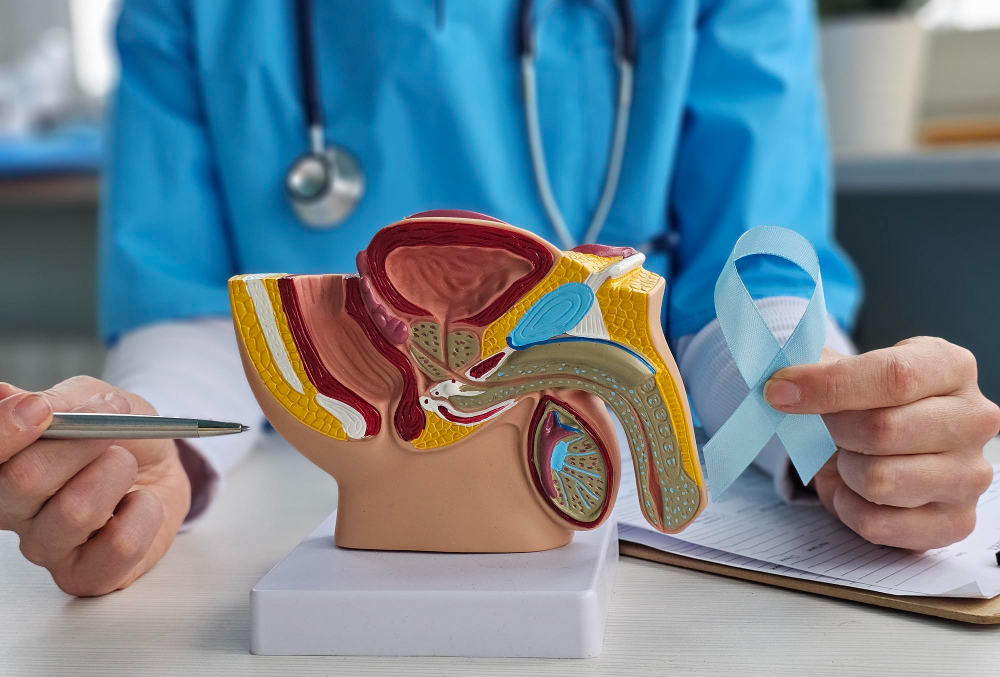
What Is Testicular Cancer?
Testicular cancer is a type of cancer that starts in the testicles. These are the small organs inside the scrotum, which is the pouch of skin below the penis. Most often, this cancer affects younger men, usually between ages 15 and 35. However, it can happen at any age. Although testicular cancer is rare, it is important to know about it. Early detection can make a big difference in treatment and recovery.
Why Early Detection Matters
Early detection of testicular cancer can save lives. When found early, this cancer is highly treatable. In fact, the survival rate is over 95% for early-stage cases, according to the American Cancer Society. Because the early symptoms of testicular cancer can be mild, many men may not notice them right away. Therefore, knowing what to look for is key. Regular self-exams and awareness can help you spot changes quickly.
Early Signs and Symptoms of Testicular Cancer
Knowing the warning signs of testicular cancer can help you act fast. While some symptoms are easy to notice, others may be subtle. Here are the most common early symptoms of testicular cancer:
Sometimes, these signs may not mean cancer. But if you notice any of them, it is best to get checked by a doctor. Early symptoms of testicular cancer are often painless, so do not wait for pain to appear.
How to Perform a Testicular Self-Exam
Performing a testicular self-exam is simple and can help you detect changes early. It is best to do this after a warm shower, as the skin is relaxed. Follow these steps:
If you notice any lumps, swelling, or pain, contact your doctor. Remember, most lumps are not cancer, but it is important to check.
When to See a Doctor
It is important to see a doctor if you notice any unusual changes. For example, if you find a lump, swelling, or pain that does not go away, make an appointment. Even if the symptoms are mild, do not ignore them. Early action can help you get the right care quickly. If you have a family history of testicular cancer, tell your doctor. They may suggest regular check-ups for you.
Prevention and Lifestyle Tips
While you cannot always prevent testicular cancer, you can take steps to stay healthy. Here are some tips:
Although these steps cannot guarantee prevention, they can help you stay aware and healthy.
Frequently Asked Questions
If you notice any unusual changes, consult Dr Ravi Teja at Sepuri Kidney Centre for personalized advice.