What is Chronic Kidney Disease?
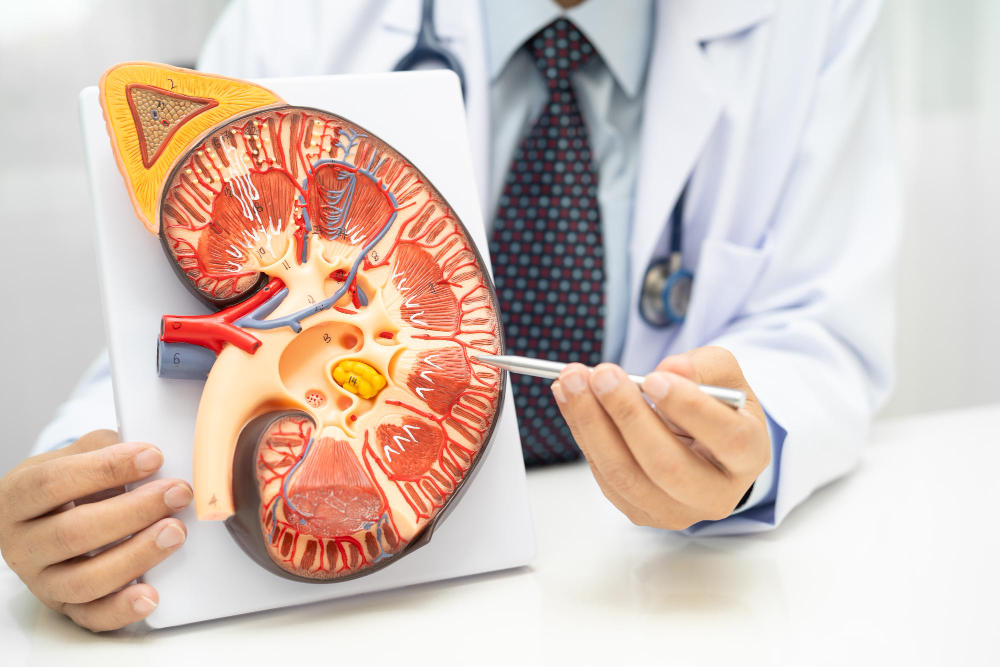
Chronic kidney disease, often called CKD, is a long-term condition where the kidneys do not work as well as they should. The kidneys help remove waste and extra water from the blood. When they are damaged, waste builds up in the body. In the United States, millions of people live with CKD, but many do not know they have it. Early detection is important because CKD can get worse over time. With proper care, you can slow its progress and protect your health.
Common Symptoms
CKD often develops slowly. At first, you may not notice any signs. However, as the disease gets worse, symptoms may appear. For example, you might feel tired or weak. Other signs can include:
Sometimes, these symptoms can be caused by other health problems. Still, if you notice them, it is wise to talk to your doctor.
Major Causes
Many factors can lead to chronic kidney disease. Most often, CKD is caused by other health conditions. For instance, high blood pressure and diabetes are the top causes in the United States. Other possible causes include:
Because these conditions can harm the kidneys over time, managing them is key to preventing CKD.
Diagnosis Methods
Doctors use several tests to check for chronic kidney disease. First, they may ask about your health history and symptoms. Next, they can order blood and urine tests. These tests help measure how well your kidneys are working. For example, a blood test called eGFR shows how much blood your kidneys filter each minute. A urine test checks for protein, which can be a sign of kidney damage. Sometimes, doctors use imaging tests like ultrasound to look at the kidneys. In rare cases, a kidney biopsy may be needed.
Treatment Options
While there is no cure for chronic kidney disease, treatment can help slow its progress. The main goals are to control the cause and protect your kidneys. Treatment options may include:
In advanced stages, some people may need dialysis or a kidney transplant. However, early treatment can help many people avoid these steps.
Lifestyle Tips and Prevention
There are steps you can take to lower your risk of chronic kidney disease. For example, you can:
By following these tips, you can help prevent chronic kidney disease or slow its progress.
When to See a Doctor
If you have risk factors like diabetes, high blood pressure, or a family history of kidney disease, you should see your doctor for regular check-ups. Also, if you notice symptoms such as swelling, changes in urination, or ongoing fatigue, it is important to seek medical advice. Early action can make a big difference in managing CKD.
For personalized advice on chronic kidney disease, consult a kidney specialist at Sepuri Kidney Centre. Early care can help protect your health and improve your quality of life. Schedule your consultation today!