
Introduction
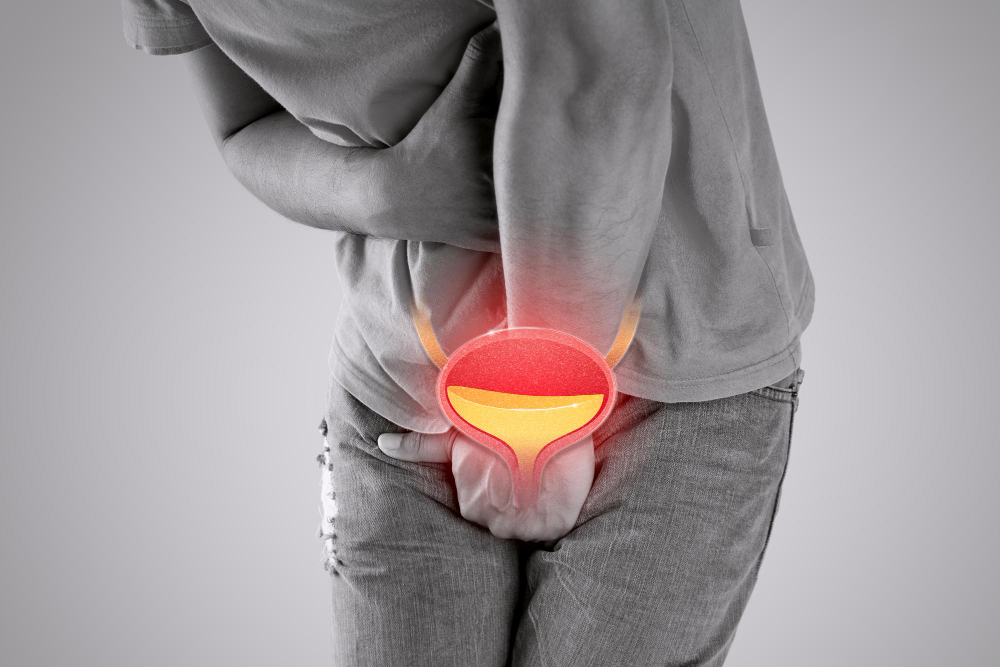
Bladder pain can be confusing, especially when there is no clear reason. Interstitial cystitis is a chronic bladder condition that causes pain and pressure in the bladder area. Unlike common bladder infections, interstitial cystitis does not have an obvious cause. Many people live with this condition for years before getting a diagnosis. If you or someone you know struggles with ongoing bladder pain, this guide will help you understand interstitial cystitis and what you can do about it.
What is Interstitial Cystitis?
Interstitial cystitis, often called IC or painful bladder syndrome, is a long-term condition. It causes discomfort or pain in the bladder and pelvic area. Unlike a typical urinary tract infection, IC does not come from bacteria. Instead, the pain and symptoms last for months or even years. Because there is no clear cause, it can be hard to diagnose and treat. However, many people find ways to manage their symptoms and improve their quality of life.
Common Symptoms
People with interstitial cystitis may notice several symptoms. These can come and go or change over time. For example, symptoms may get worse during stress or certain activities. Common signs include:
Sometimes, symptoms can be mild. Other times, they can be severe and affect daily life. Although these symptoms are common, they can also be signs of other bladder problems. Therefore, it is important to see a doctor for a proper diagnosis.
Possible Causes and Risk Factors
Doctors do not know the exact cause of interstitial cystitis. However, several theories exist. For instance, some experts think the bladder lining may be damaged. This could let irritating substances in urine reach the bladder wall. Others believe the immune system may play a role. In some cases, nerves in the bladder may send pain signals even when there is no real problem.
There are also risk factors that may increase the chance of developing IC:
Even with these risk factors, anyone can develop interstitial cystitis. Because the cause is unclear, prevention is difficult.
How is Interstitial Cystitis Diagnosed?
Diagnosing interstitial cystitis can take time. Since there is no single test for IC, doctors often rule out other causes first. For example, they may check for urinary tract infections or bladder cancer. The process usually includes:
Sometimes, doctors may fill the bladder with water to see how much it can hold and check for pain. Although these tests may sound scary, they help rule out other problems and guide treatment.
Treatment Options
There is no cure for interstitial cystitis, but many treatments can help manage symptoms. Often, doctors use a mix of approaches. For example, treatment may include:
In rare cases, surgery may be considered. However, most people find relief with less invasive treatments. It may take time to find the right combination that works for you.
Living with Interstitial Cystitis
Living with a chronic bladder condition can be challenging. However, many people find ways to cope and improve their quality of life. Here are some practical tips:
Although flare-ups can happen, learning what helps you feel better can make a big difference. Over time, you may find new ways to manage stress and reduce symptoms.
Prevention and When to See a Doctor
Because the cause of interstitial cystitis is not clear, there is no sure way to prevent it. However, early treatment can help control symptoms and prevent them from getting worse. You should see a doctor if you have:
Prompt medical care can rule out other serious problems, such as infections or cancer. If you have been diagnosed with interstitial cystitis, regular check-ups can help track your progress and adjust your treatment plan.
Conclusion
Interstitial cystitis is a chronic bladder condition that can cause pain and disrupt daily life. Although the cause is not clear, many people find relief with the right treatment and support. If you have ongoing bladder pain, do not ignore it. Consult a urologist at Sepuri Kidney Centre for personalized advice on interstitial cystitis.