What Is Renal Hypertension?
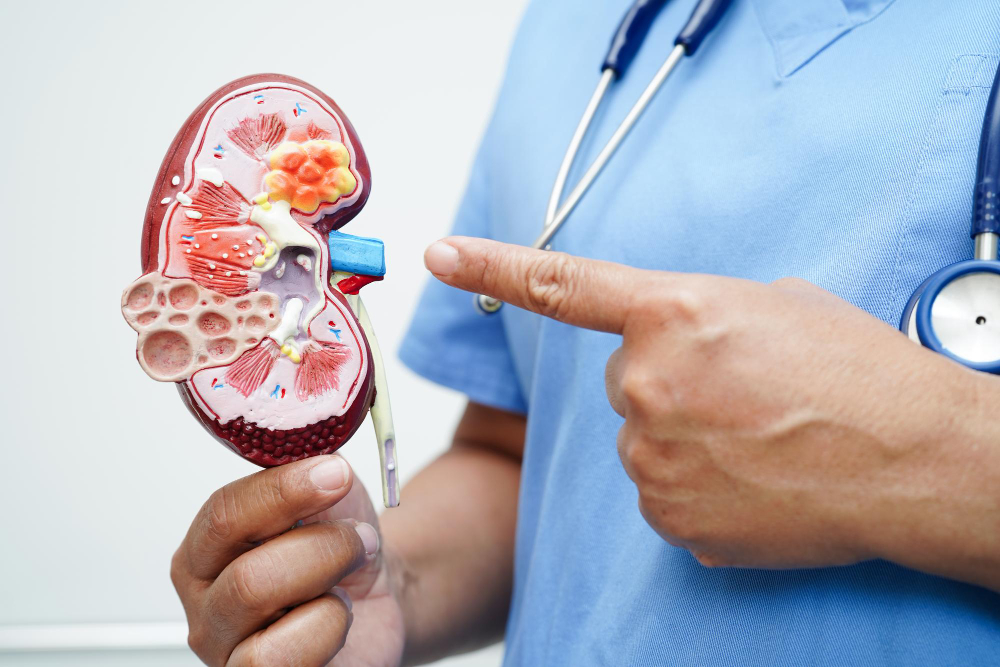
Renal hypertension is high blood pressure caused by kidney disease. It happens when the blood vessels in the kidneys become narrow or blocked. As a result, the kidneys cannot control blood pressure well. This condition is important because it can lead to serious health problems, such as heart disease or stroke. According to the CDC, kidney-related high blood pressure affects many people worldwide. Early detection and treatment can help prevent complications.
Causes of Renal Hypertension
There are several reasons why renal hypertension develops. Most often, it is due to a problem with the blood vessels in the kidneys. For example, the arteries may become narrow or stiff. This makes it hard for blood to flow normally. In addition, some people have kidney diseases that damage the small filters in the kidneys. These changes can raise blood pressure.
Because these causes can be silent, regular check-ups are important.
Common Symptoms and Warning Signs
Often, renal hypertension does not cause clear symptoms at first. However, as the condition worsens, some signs may appear. For instance, you may notice headaches or dizziness. Sometimes, people feel tired or have trouble thinking clearly. In severe cases, swelling in the legs or face can occur. If you notice any of these signs, it is wise to see a doctor.
Because symptoms can be mild, regular blood pressure checks are helpful.
How Is Renal Hypertension Diagnosed?
Doctors use several tests to find out if you have renal hypertension. First, they will check your blood pressure. If it is high, they may order more tests. For example, blood and urine tests can show how well your kidneys work. In addition, imaging tests help doctors see the blood vessels in your kidneys. These tests can include:
Early diagnosis can help prevent serious problems.
Treatment for Renal Hypertension
Treating renal hypertension aims to lower blood pressure and protect the kidneys. Doctors may use a mix of medicines and lifestyle changes. Sometimes, a procedure or surgery is needed if the blood vessels are blocked. Here are common treatment options:
Because each person is different, your doctor will choose the best plan for you.
Prevention Tips and Lifestyle Guidance
Although not all cases can be prevented, healthy habits can lower your risk. For example, eating a balanced diet helps control blood pressure. In addition, regular exercise keeps your heart and kidneys healthy. Here are some tips:
Because prevention is easier than treatment, start these habits early.
When Should You See a Doctor?
If you have high blood pressure that is hard to control, see a doctor soon. Also, if you notice swelling, headaches, or changes in urine, seek medical advice. Early treatment can protect your kidneys and heart. In some regions, kidney disease is more common, so regular check-ups are even more important. Do not wait for symptoms to get worse.
Conclusion
Renal hypertension is a serious condition, but it can be managed. With early diagnosis and the right treatment, you can protect your health. For personalized advice on renal hypertension, consult a healthcare specialist at Sepuri Kidney Centre.